Featured

About Edgar Cayce
Considered by many to be the father of modern holistic medicine, Edgar Cayce produced a tremendous legacy of information about the human body. This information included spiritual principles, meditation, healthful tonics, beneficial oils, rejuvenating remedies and more. The information was intended to help the body’s own healing mechanisms. For over 70 years people have testified to the helpfulness of this information in maintaining health and restoring the body to balance and well being.
Education & How-to’s
See All
Complimentary Health Information
Edgar Cayce Reading Edited by David Atkinson
Wet Cell Helps ALS Patients
Winning Over Lou Gehrig’s Disease
Coenzyme Q10 Saves Nerve Cells in Mice with ALS
Supplementary Therapeutic Measures
Important Discovery
The Wet Cell Battery: What Stands in Its Way
Alzheimer’s
Defying Alzheimer’s
A Family Affair
The Wet Cell Battery: What Stands in Its Way
Arresting Arthritis
Peanut Oil and Arthritis
Blindness
Cayce Readings Help with Blindness
Cancer
Healing Cancer the Cayce Way
Edgar Cayce Reading on Biotin and Cancer
Case Reports
Anecdotal Case Reports on a Variety of Problems
Colds & Flu
Avoid Or Overcome Viral Infections The Cayce Way
Flu Immunization: Suggestions for The Cayce Readings
Depression
Cayce’s Holistic Approach
See All
Products & Remedies
The Versatile Alkaline Cleansing Formulas
American Saffron
The Healing Powers of Saffron Tea
Apple Cider Vinegar
An Old-Fashioned Remedy
Atomic Iodine™
A Product with Many Purposes
Atomidine in Medicine
Cayce’s Two Iodines
CastorCream™
Cayce’s Wart Remedy – It Works!
Castor Oil
Medicinal Marvel
Charred Oak Keg
Antiseptic for Throat and Lungs
Cane Sugar Cola Syrup
Crudoleum® Pennsylvania Crude Oil
Hair Loss Treatment
Hair Today, Gone Tomorrow, Restored with Cayce Treatment
De-Tense™ Herbal Tonic
Restore Balance to the Entire Body
Dry Skin Solutions
Stop the Itching Now!
Extra Virgin Olive Oil
The Benefits of Liquid Gold
Olive Oil & Cholesterol
Inspirol® Herbal Breathing™
Breathing Better and Easier
Herbal Tonic 636
Beautiful Hair, Skin & Nails
See All
Just Published

Available at baar.com
The purpose of this manual is to assist in the set up and use of Vibradex solutions with the Wet Cell Battery for those who decide to use it specifically for Alzheimer’s Disease. It offers a pictorial step-by-step educational layout of the Wet Cell System. It also provides helpful information about Alzheimer’s for caretakers, friends, or family who may be assisting with this therapy.
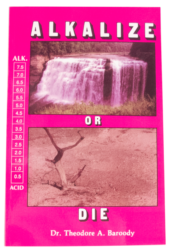
Available at baar.com
The authors’s comprehensive research and clinical findings indicate that illness and disease are directly linked to over-acidity in the system. By following this books’ guidelines for choosing foods that create alkalinity, you can achieve a high level of vitality and strength and learn to neutralize any type of stress. This powerful title carries an important message that can benefit everyone – a message destined to revolutionize health care of the future with one simple principle – Alkalize Yourself!